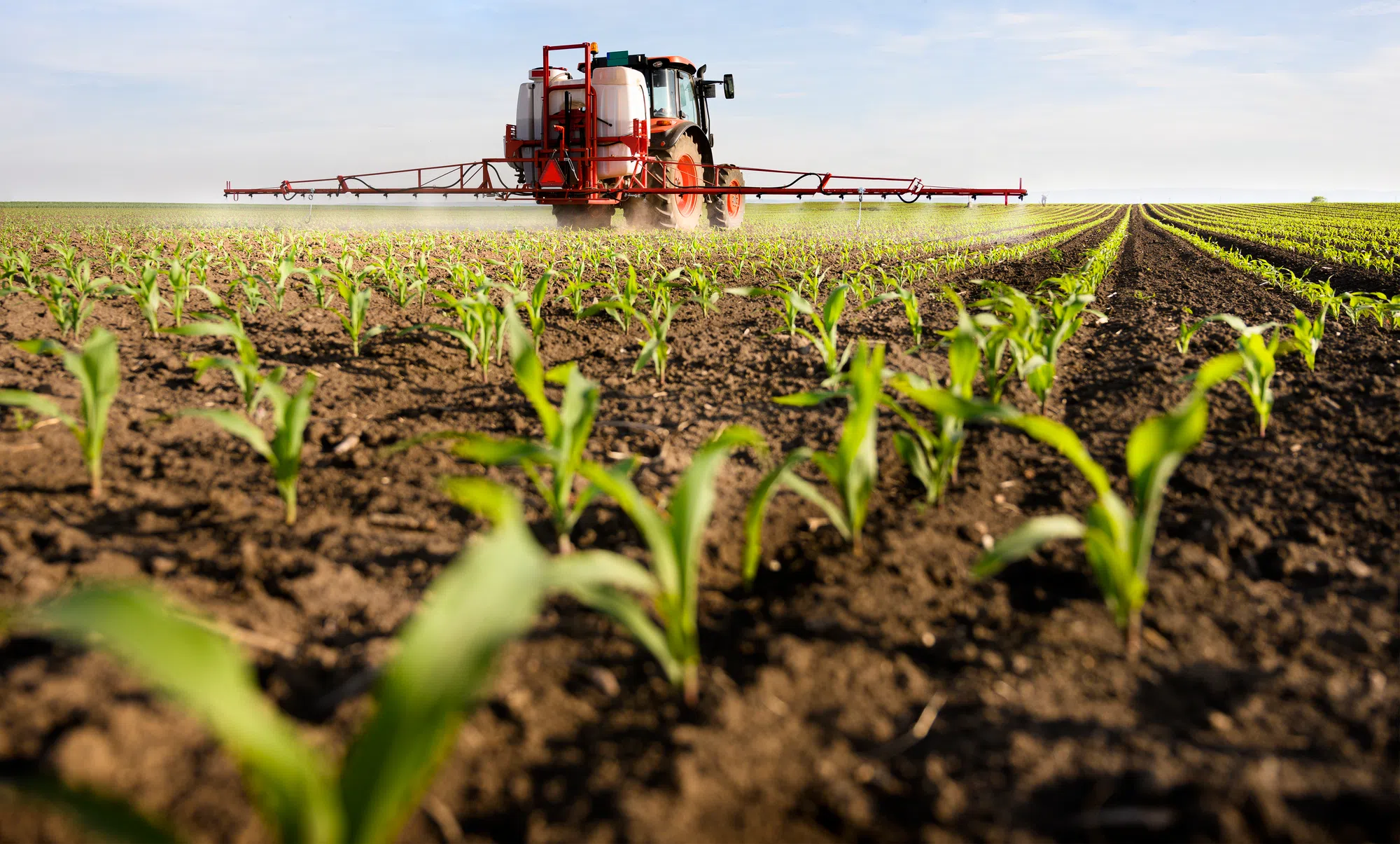
fotokostic / Depositphotos.com
Farmer sentiment declined slightly in May as the Purdue University/CME Group Ag Economy Barometer fell to 119, down from 121 in April. May’s results indicated mounting concern about rising input costs and financial pressures, setting new highs and lows for the survey. Although the Future Expectations Index increased by 1 point, the Current Conditions Index dropped 8 points from April, falling to its lowest level since December 2024. At 51%, high input costs were identified by respondents as their top concern, reaching a record high. Additionally, 46% said that high input costs are limiting improvements in their financial position this year. The survey was conducted among 400 farmers across the nation from May 11-15.
Financial outlooks remained cautious in May. Only 14% of respondents reported that their farm operations were better off financially than a year ago, while 22% said they expect conditions to improve over the next 12 months. The Farm Capital Investment Index dropped by 3 points to 41, marking its lowest level since September 2024 and suggesting a reduced willingness to make large investments.
“The persistence of high input costs is especially challenging in an environment where many producers are already operating with tighter margins,” said Michael Langemeier, the barometer’s principal investigator and director of Purdue’s Center for Commercial Agriculture. “When producers see fewer opportunities to improve their financial position despite strong operational management, it tends to weigh heavily on perceptions of current conditions and investment plans.”
Following April’s lead, this month’s survey included questions related to the impact of current events on net farm income and corn break-even prices in 2026. Approximately two-thirds of respondents said they expect their farm’s net income to be reduced in 2026. Among respondents who planted corn in 2025, nearly half indicated they expect corn break-even prices to rise by as much as 6%, while 30% expect break-even prices to increase by 10% or more.
Labor availability and technology adoption were also examined in May. Roughly 39% of respondents hire nonfamily members for farm work. Of these, around 44% have encountered some or a lot of difficulty in hiring this year. Respondents were also asked about whether artificial intelligence (AI) tools would enhance their current labor and equipment situation. Approximately 59% believed AI would not improve their situation, 37% thought it would help a little and 4% believed it would help a lot.
Farmland value expectations strengthened this month despite weaker sentiment regarding current conditions. The Short-Term Farmland Value Expectations Index rose from 121 in April to 130 in May, while the long-term index increased from 155 to 160. Producers identified alternative investments, interest rates and net farm income as the three biggest influences on farmland values.
Since July 2025, survey respondents have been asked whether they believe the U.S. is on the “right direction” or the “wrong track.” After averaging 71% over the last half of 2025, the percentage of respondents who believe the country is headed in the “right direction” has steadily declined, reaching 52% in May and marking the lowest point since the question was first asked.
Wrapping up the May survey, producers continued to express considerably different outlooks for crop and livestock agriculture. Approximately 31% of respondents said they expect good times financially for crop producers over the next five years, compared with 68% who expect good times for livestock producers.
Purdue University



Comments