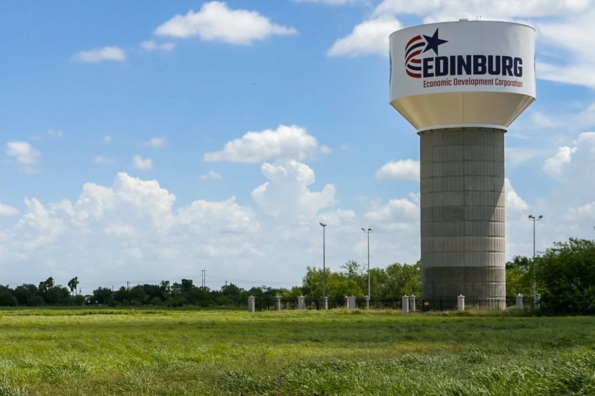
Photo provided by USDA
U.S. Secretary of Agriculture Brooke Rollins announced today that the U.S. Department of Agriculture will begin hiring for 228 positions at the New World Screwworm (NWS) Sterile Fly Production Facility in Edinburg, Texas, starting this month. Those interested in the positions can apply online starting today at USAJobs.gov or can attend a hiring event in McAllen, Texas, from Nov. 17-19, 2026.
“Protecting U.S. livestock and wildlife from New World Screwworm is a national security priority, and this new facility will drastically boost the availability of sterile flies – our most successful offensive capability to drive these serious pests away from our border,” said Secretary of Agriculture Brooke L. Rollins. “The people filling these vital positions will serve at the front lines in our battle against this serious pest and help ensure that we again eradicate it from our country.”
The hiring event will be held at the Embassy Suites by Hilton McAllen Convention Center. Hiring managers will be on site and conducting interviews during the event. For more information about this event, visit https://www.aphis.usda.gov/
The new facility housed at Moore Air Base in Edinburg, Texas, helps achieve a cornerstone of Secretary Rollins’ five-pronged strategy to combat NWS, expanding the nation’s domestic capacity to protect livestock, wildlife, and public health from this serious pest.
Construction will be completed at the Texas facility in April 2027. It will be the first U.S.-based sterile fly production facility and is anticipated to begin producing 100 million sterile flies per week in 2027 and approximately 300 million sterile flies per week once it is operating at full capacity.
Fertile screwworms infest living tissue of warm-blooded animals and pose a threat to livestock and wildlife. However, they are not a food safety concern because they do not infest meat, fruits, vegetables, or other food sources.
For more information about New World Screwworm and USDA’s prevention efforts, visit Screwworm.gov.
Source: USDA




Comments