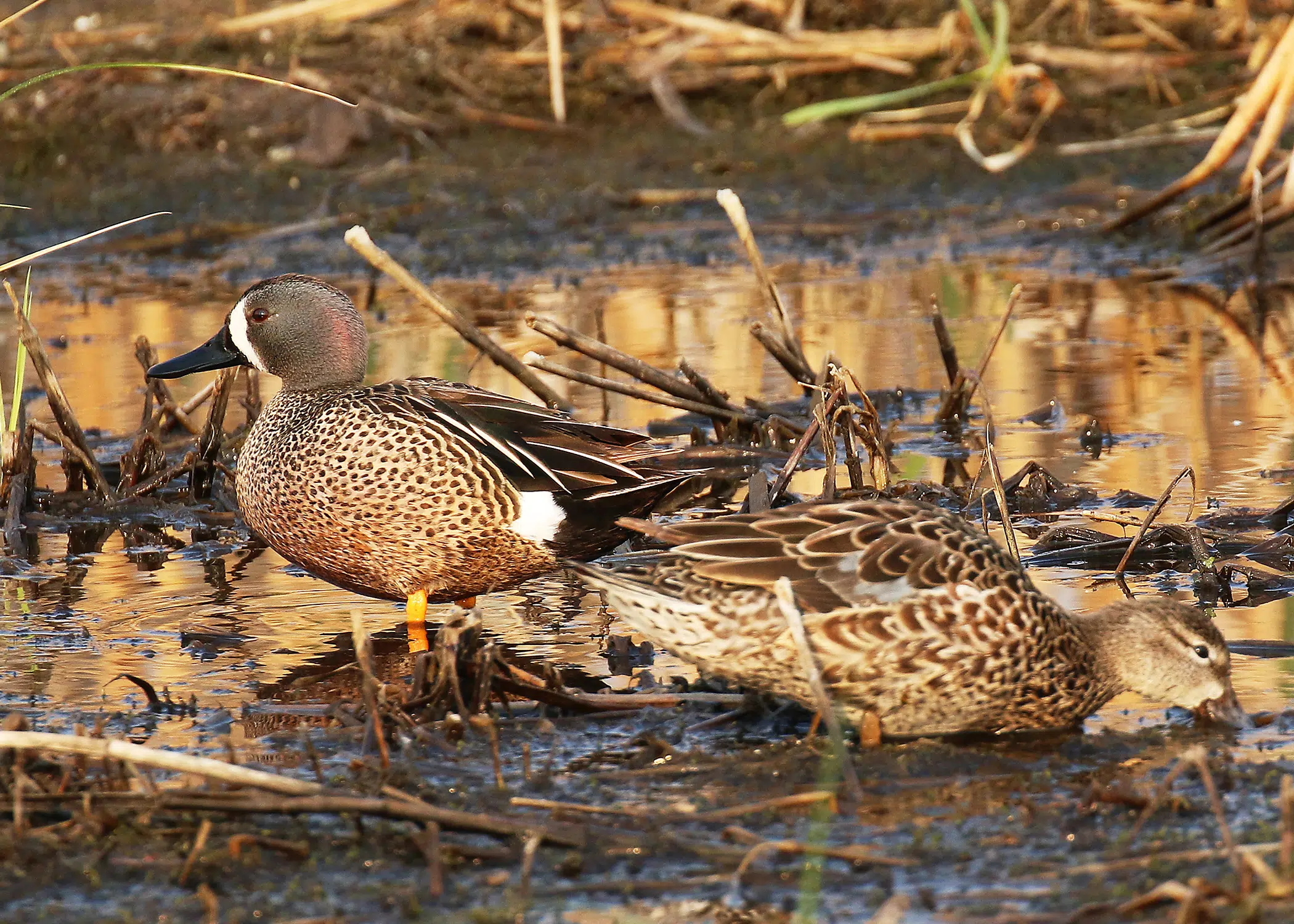
The North Dakota Game and Fish Department’s 79th annual spring breeding duck survey conducted in May showed an index of about 2.4 million birds, down 9.5% from 2.66 million birds in 2025 and 2.9 million in 2024.
The 2026 breeding duck index dipped below the 1948-2025 average for the first time since 1993, according to John Palarski, department migratory game bird supervisor.
In these spring waterfowl surveys, Palarski said they’re counting a portion of what remains of last year’s fall flight. Duck production in North Dakota has been poor in recent years and midcontinent duck populations continue to decline.
“Waterfowl here in North Dakota have to have those wetlands in order to nest. But many species like mallards, pintails and blue-winged teal that are upland nesting ducks, also need grass,” he said. “And so, we’ve seen a couple million acres of grass in the form of CRP come off the landscape in recent years. Between those declines and wetland loss due to drainage and consolidation, that’s going to impact our ability to produce ducks into the future which has acute impacts for waterfowl hunters here in the state, but also has continental impacts, because North Dakota is the Duck Factory.”
Historically, duck numbers in North Dakota paralleled wetland conditions closely. In the heydays of North Dakota duck hunting from 1994-2016, the breeding duck index frequently topped 4 million birds, but it is unlikely for that to happen again, even in the wettest years, until habitat availability improves.
Indices for individual species were variable. Mallards (up 6.8%), pintails (up 23.7%) and green-winged teal (up 20.9%) indices increased from 2025 while blue-winged teal, gadwall, widgeon and most diving duck species decreased. Although mallards are up from 2025, they’re still down 15.3% from their long-term average.
Palarski and crew covered more than 1,800 miles of transects counting wetlands and waterfowl down to the species and social grouping on both sides of the road. This spring, the wetland count was similar to last year but 34.9% below the long-term average.
As always, the July brood survey will give a better idea of duck production and insight into what to expect this fall.
For the full story, watch this week’s North Dakota Outdoors Webcast with John Palarski.




Comments