KFGO file photo
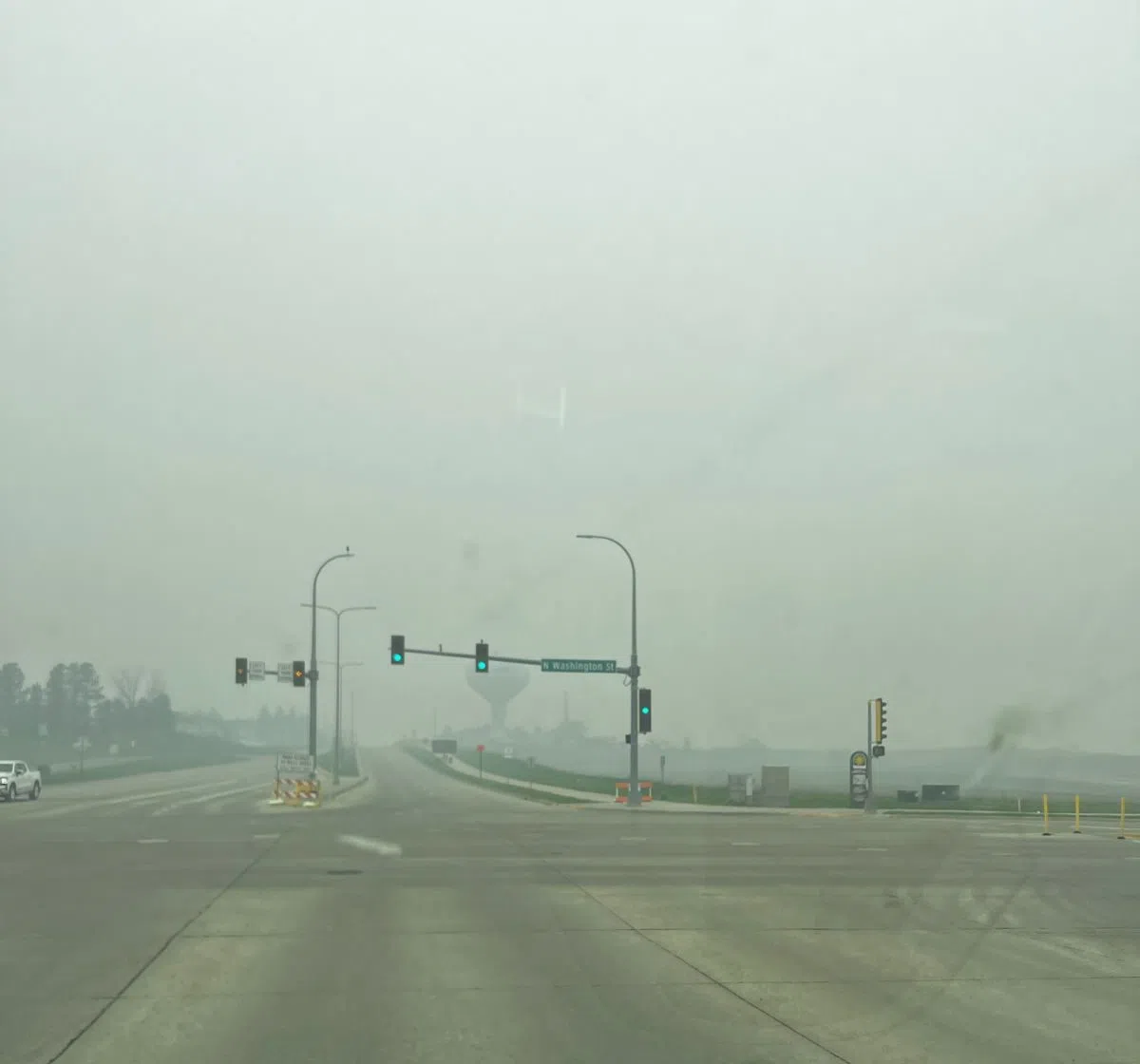
ST. PAUL, Minn. (KFGO/WCCO) – Wildfires will likely impact Minnesota’s air quality once again this summer, but it won’t be as bad as last year, according to the Minnesota Pollution Control Agency.
“Minnesotans can expect to see 12 to 16 days of wildfire smoke impacts and four to six days of high ozone levels this summer,” says MPCA Commissioner Katrina Kessler. “These conditions are similar to those seen in 2024 and can lead to unhealthy air quality during air quality alerts.”
Drought and below-average rainfall are expected to lead to more sunny days, creating favorable conditions for ozone to form.
MPCA Meteorologist Matt Taraldsen says last year the Twin Cities saw heavy wildfire impacts.
“That is not an incorrect perception,” Taraldsen adds. “We had 23 days from smoke, which is nine days over our record in 2023. So the discrepancy between the two is that in 2023, we had a winter stagnation event and some ozone alerts, in addition to wildfire smoke. Where last year was all wildfire smoke events in the Twin Cities.”
Wildfire smoke outlook
- Between 12 and 16 days of wildfire smoke impacts are expected in Minnesota this summer, local fire activity may become elevated.
- With a strong El Niño southern oscillation cycle, expect warmer and drier conditions this summer punctuated with storms.
- Smoke from wildfires can contain fine particles that pose health risks, even for healthy individuals.
Ozone and drought conditions
- Forecast models predict four to six days this summer where ozone levels may be unhealthy for sensitive groups. This is slightly above Minnesota’s historical average.
- The highest risk areas include the Twin Cities suburbs and parts of southeastern Minnesota near Rochester.
- Drought and below-average rainfall are expected to lead to more sunny days, creating favorable conditions for ozone to form.
- Sensitive groups, including children, older adults, and people with heart or lung conditions, should plan outdoor activities carefully on high ozone days.




Comments