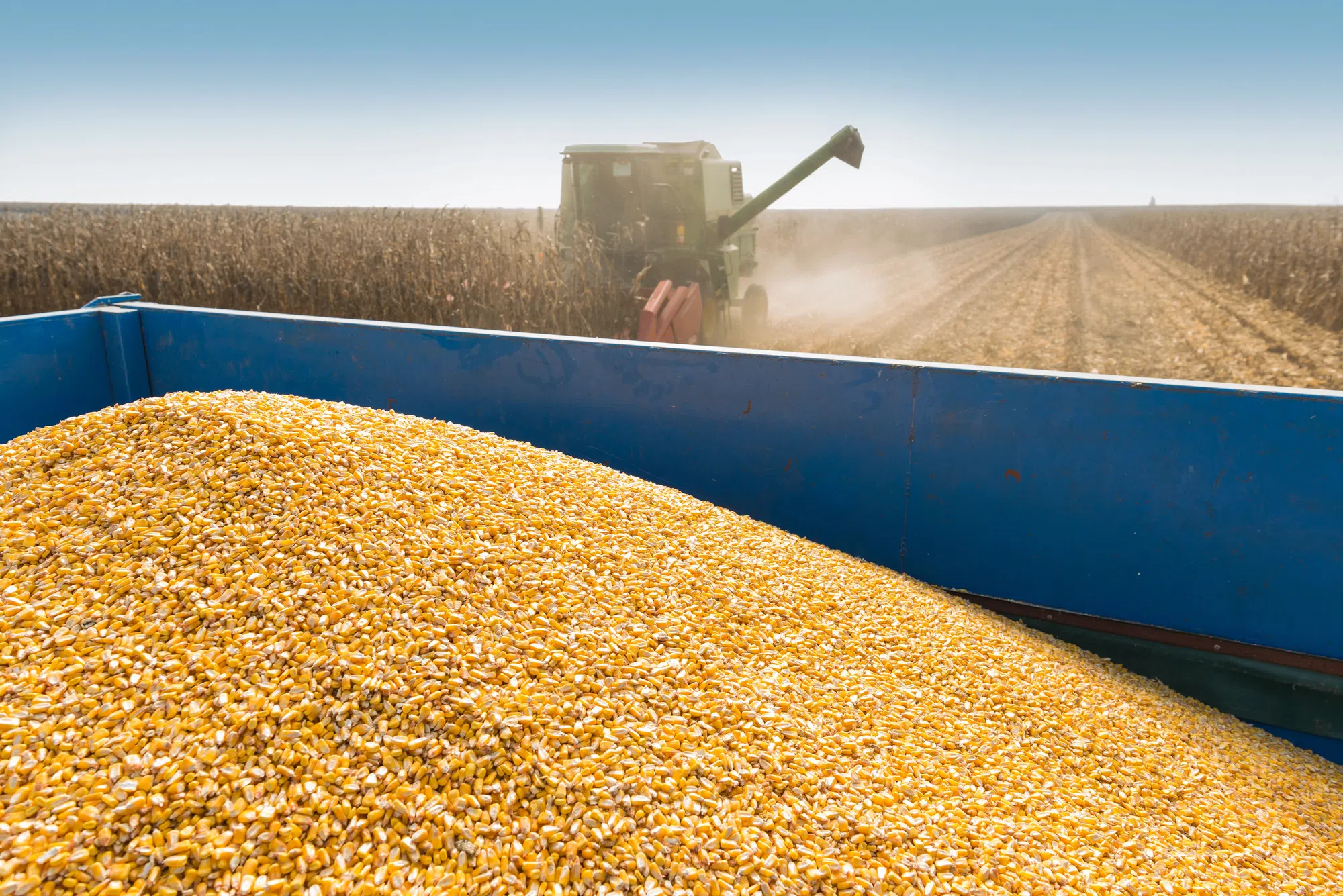
fotokostic / Depositphotos.com
The average aggregate quality of U.S. corn samples tested for the U.S. Grains & BioProducts Council’s 2025/2026 Corn Export Cargo Quality Report, released this week, was better than or equal to U.S. No. 2 on all grade factors.
“The Council’s Corn Export Cargo Quality Report is now in its 15th edition, a testament to the organization’s dedication and commitment to connecting international end users of feed grains and their co-products to U.S. farmers,” said Mark Wilson, USGBC chairman.
“This report would also not be possible without the tremendous work done by the analysts at Illinois Crop Improvement Association’s Identity Preserved Grain Laboratory and Champaign-Danville Grain Inspection and the Federal Grain Inspection Service of the U.S. Department of Agriculture for providing samples for study.”
The report is based on 430 yellow commodity corn samples collected from export shipments as they underwent inspection and grading processes performed by the FGIS or other licensed inspectors.
The 2025 U.S. corn crop experienced favorable growing conditions that contributed to projected record in average yield, permitted a timely harvest and maintained the quality of the crop.
Broken corn and foreign material (BCFM) registered at 2.4 percent after moving through export channels, the lowest in the report’s 15-year history. Protein content was measured at 8.5 percent dry basis, similar to last year’s crop and starch concentration was observed at 72.1 percent, higher than in 2024/2025.
The export cargo quality report is a companion to the 2025/2026 Corn Harvest Quality Report, published last fall. The new report provides information about the quality of the most recent U.S. corn crop at harvest as it enters the international merchandising channels.
Both reports provide reliable information on U.S. corn quality from the farm to the customer based on transparent and consistent methodology, offering an early view of grading factors established by USDA, moisture content and other characteristics not reported elsewhere. The reports identify any noticeable changes occurring between these two time periods caused by shipping and logistics.
Results from the report will be shared with customers around the world by Council staff based in its nine international offices and showcased during events and trade teams to maximize awareness of the quality and applications of U.S. corn.
U.S. Grains & BioProducts Council news release



Comments